
Understanding Stop Losses
A stop loss is one of the most important tools in trading and risk management. While many beginners focus only on making profits, experienced traders know that protecting capital is just as important as finding winning trades.
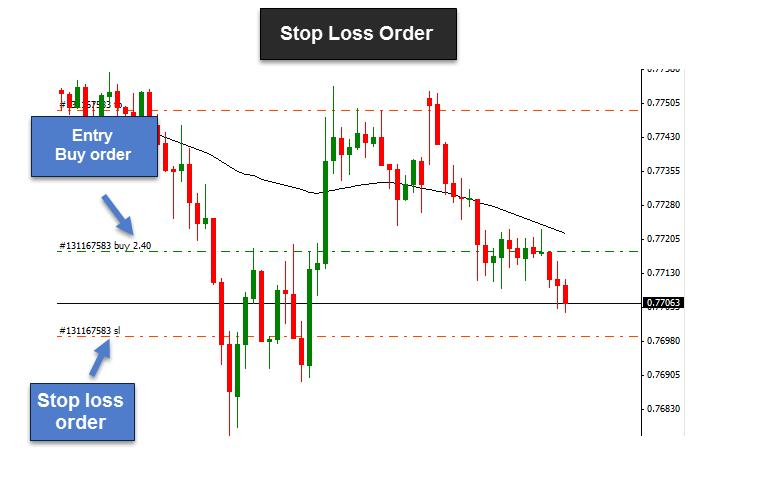
In simple terms, a stop loss is an order that automatically closes a trade when the price reaches a certain level. Its purpose is to limit losses and prevent a trade from becoming much worse than originally planned.
For example, if a trader buys an asset at $100 and places a stop loss at $95, the trade will automatically close if the price falls to that level. This helps control risk and protects the trading account from large unexpected losses.
Why Stop Losses Matter
One of the biggest mistakes beginners make is trading without any clear exit plan. Many traders hold losing positions for too long because they hope the market will eventually reverse.
This emotional approach can quickly lead to serious losses.
A stop loss helps remove part of the emotion from trading because the maximum acceptable loss is already defined before entering the trade. Instead of making impulsive decisions during market volatility, traders can follow a structured plan.
Professional traders understand that losses are a normal part of trading. The goal is not to avoid losses completely, but to keep them controlled and manageable.
How Stop Losses Work
Most trading platforms allow traders to place stop losses directly when opening a position. Once the market reaches the chosen price level, the platform automatically closes the trade.
This is especially useful in fast-moving markets where prices can change rapidly within seconds.
Using stop losses can help traders stay disciplined, protect their capital, and avoid catastrophic losses during unexpected market movements.
Different Types of Stop Losses
There are several ways traders use stop losses depending on their strategy and market conditions.
A fixed stop loss stays at a specific price level throughout the trade. This is one of the simplest methods and is commonly used by beginners.
Another popular option is the trailing stop loss. Unlike a fixed stop, a trailing stop automatically moves as the trade becomes profitable. This allows traders to lock in profits while still giving the market room to continue moving in their favor.
Some traders also use percentage-based risk management, where they risk only a small percentage of their account on each trade. This approach helps maintain consistency and prevents a single bad trade from causing major damage.
Where Should You Place a Stop Loss?
Placing stop losses correctly is extremely important.
Many beginners place stops randomly or too close to their entry price. As a result, normal market fluctuations can trigger the stop loss even when the trade idea was still valid.
Experienced traders usually place stop losses based on technical analysis and market structure. Common areas include support and resistance zones, swing highs or lows, and important price levels where the market reaction makes sense.
The goal is to give the trade enough space to move naturally while still limiting risk if the setup fails.
Common Mistakes Beginners Make
A very common mistake is moving stop losses further away once the market starts moving against the trade. Some traders even remove the stop loss completely because they refuse to accept a loss.
This behavior often turns small manageable losses into much larger ones.
Another mistake is risking too much money on a single trade. Even with stop losses, poor risk management can still damage an account quickly.
Successful traders focus on consistency and discipline rather than trying to recover losses emotionally.
Stop Losses and Risk Management
Stop losses are a key part of overall risk management. Many traders combine them with a risk-to-reward ratio to evaluate whether a trade is worth taking.
For example, a trader may risk $50 in order to potentially make $100. This type of approach helps traders remain profitable over time even if not every trade is successful.
Good risk management is one of the main differences between gambling and professional trading.
Real Example of a Stop Loss
To better understand how stop losses work, let’s look at a practical example.
Imagine a trader buys Bitcoin at $50,000 after identifying a potential bullish trend. Before entering the position, the trader decides that losing more than 2% of the account on a single trade would be unacceptable.
Instead of simply hoping the market moves higher, a stop loss is placed at $49,000 below a key support level. If Bitcoin drops and reaches that price, the trade closes automatically and the loss remains limited.
This approach helps traders define their risk before entering the market rather than making emotional decisions after the trade is already losing money.
Many beginners spend a lot of time looking for profitable trading opportunities but very little time planning what they will do if the trade goes wrong. In reality, successful trading is often more about managing risk than finding perfect entries.
Common Stop Loss Mistakes
Although stop losses are designed to protect traders, many beginners use them incorrectly.
One of the most common mistakes is placing a stop loss too close to the entry price. Markets naturally move up and down, and a stop that is too tight can be triggered by normal price fluctuations before the trade has a chance to develop.
Another frequent mistake is moving the stop loss further away once the market starts moving against the position. This often happens because traders hope the price will eventually recover. While it may seem like a way to avoid taking a loss, it usually increases risk and can turn a small loss into a much larger one.
Some traders also make the mistake of risking too much capital on a single trade. Even with a stop loss in place, risking a large percentage of an account can make it difficult to recover from losing trades.
Developing discipline and respecting predefined risk levels is one of the most important habits traders can build over time.
Stop Loss vs Take Profit
A stop loss and a take profit order serve different purposes, but both are important parts of a complete trading plan.
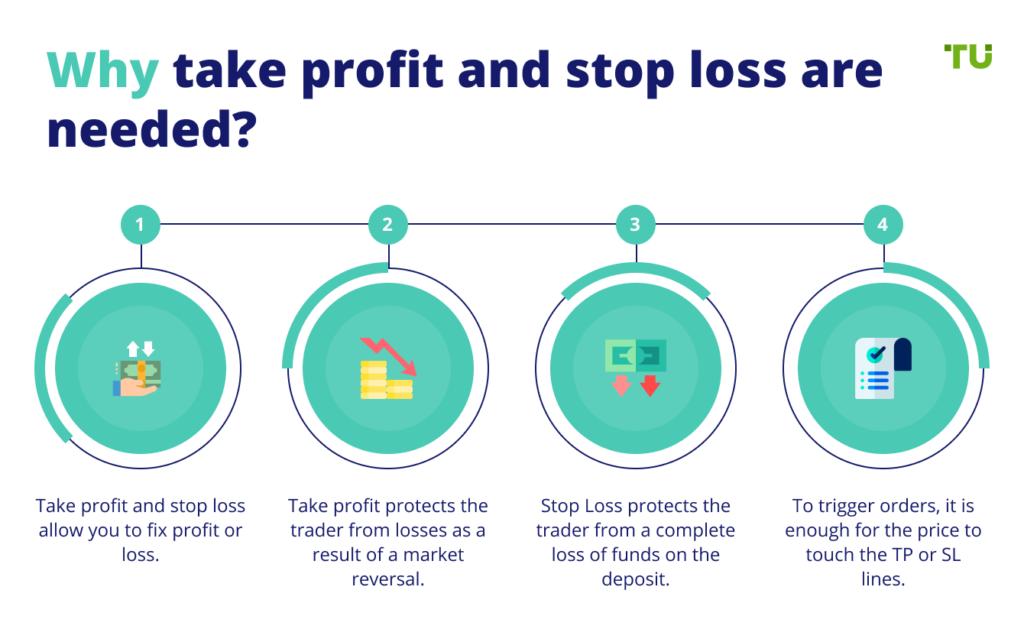
A stop loss is designed to limit losses if the market moves against the trade, while a take profit order automatically closes a position when a desired profit target is reached.
Many traders use both tools together before entering a trade. This allows them to define their potential risk and potential reward in advance.
For example, a trader may risk $50 with a stop loss while targeting a $100 profit using a take profit order. This creates a risk-to-reward ratio of 1:2, meaning the potential reward is twice the amount being risked.
Planning both exit points before entering a trade can help remove emotions and improve long-term consistency.
Frequently Asked Questions
Do professional traders use stop losses?
Yes. Most professional traders use some form of stop loss or risk control mechanism. Protecting capital is a fundamental part of long-term trading success.
Can a stop loss guarantee that I will never lose money?
No. A stop loss helps limit losses, but it cannot guarantee profits or completely eliminate risk. Market conditions such as extreme volatility or price gaps may sometimes lead to different execution prices.
Should every trade have a stop loss?
Many traders believe that every trade should have a predefined risk level. Whether through a traditional stop loss or another risk management method, knowing how much you are willing to lose before entering a trade is generally considered a best practice.
What is the best stop loss strategy?
There is no single stop loss strategy that works for every trader. The best approach depends on trading style, market conditions, risk tolerance, and overall strategy.
Final Thoughts
A stop loss is one of the most valuable tools any trader can use. It helps protect trading capital, reduce emotional decision-making, and create more discipline in the market.
Although stop losses are not perfect and cannot eliminate all risk, trading without them is usually far more dangerous, especially for beginners.
Successful trading is not only about making profits. It is also about managing losses properly and staying consistent over the long term. Learning how to use stop losses correctly can make a huge difference in a trader’s long-term survival and success.