
Why Trading Strategies Matter
One of the first things I noticed while learning about trading is that beginners often spend too much time searching for the “best” strategy and not enough time understanding how to use one consistently. In reality, even a simple strategy can produce better long-term results than constantly jumping from one system to another.
A trading strategy is essentially a structured plan that helps traders decide when to enter the market, when to exit, and how much risk to take on each trade. Instead of making decisions based on emotions, a good strategy provides clear rules that can be followed regardless of market conditions.
While no trading strategy guarantees profits, having a well-defined approach makes it much easier to stay disciplined, manage risk, and evaluate results over time. Successful trading is rarely about predicting every market move correctly—it is about following a consistent process and continuously improving it.
Trend Following Strategy
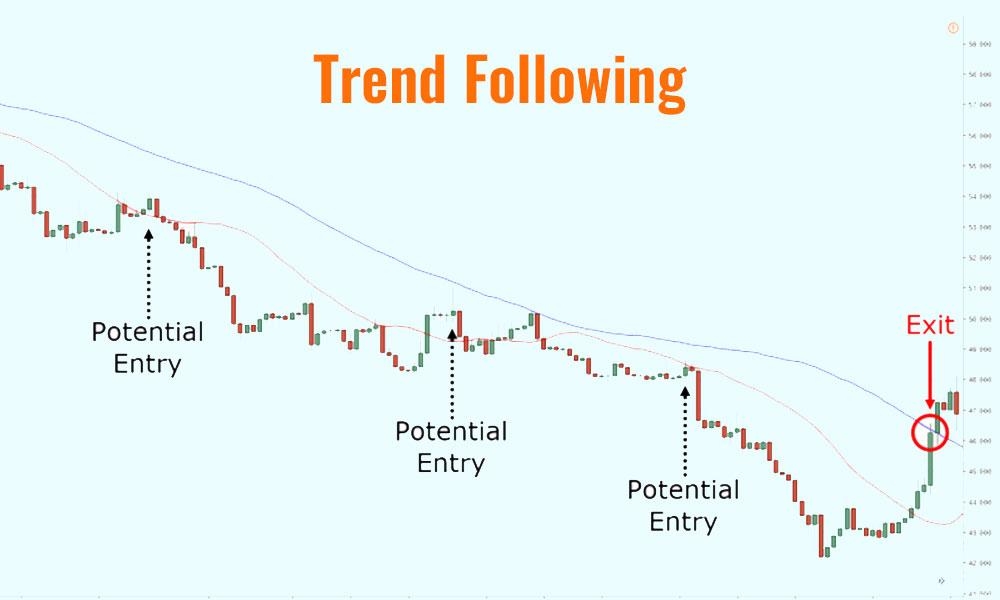
Trend following is one of the most beginner-friendly trading strategies because it is simple and easy to understand.
The basic idea is to trade in the direction of the market trend. If the market is moving upward, traders look for buying opportunities. If the market is moving downward, traders focus on selling opportunities.
Many traders use moving averages to help identify trends and overall market direction. Trend-following strategies are popular because financial markets often move in trends driven by momentum, economic news, and investor sentiment.
For beginners, this strategy can be a good starting point because it avoids fighting against strong market movements.
Support and Resistance Trading
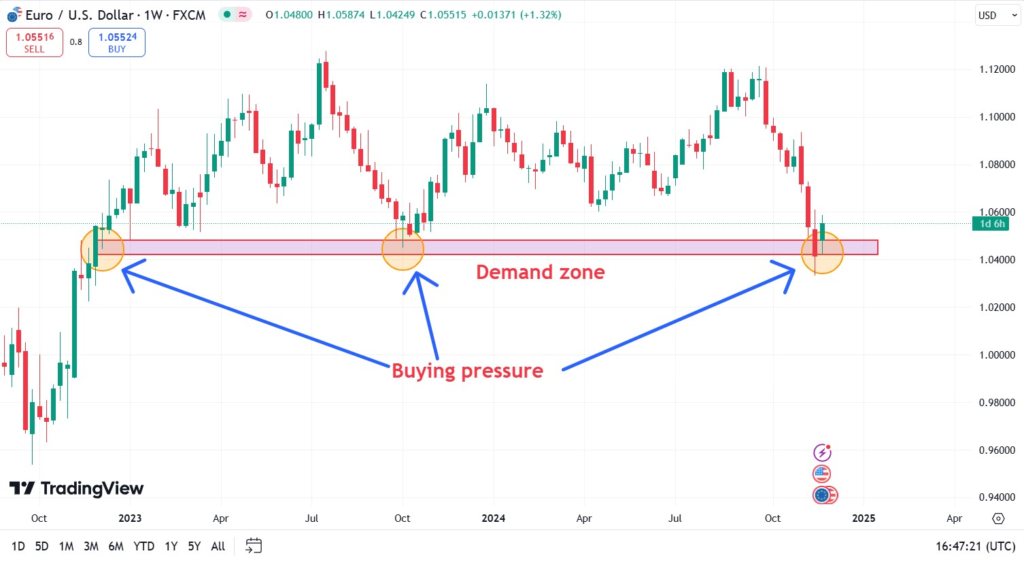
Support and resistance are two of the most important concepts in technical analysis.
Support refers to price areas where buyers may enter the market and stop prices from falling further. Resistance refers to levels where selling pressure may appear and slow down upward movement.
Many traders look for price reactions around these levels to identify possible trade setups. For example, traders may buy after a bounce from support or sell after rejection from resistance.
This strategy is widely used across forex, stocks, and cryptocurrencies because support and resistance levels often play an important role in market psychology.
Breakout Trading
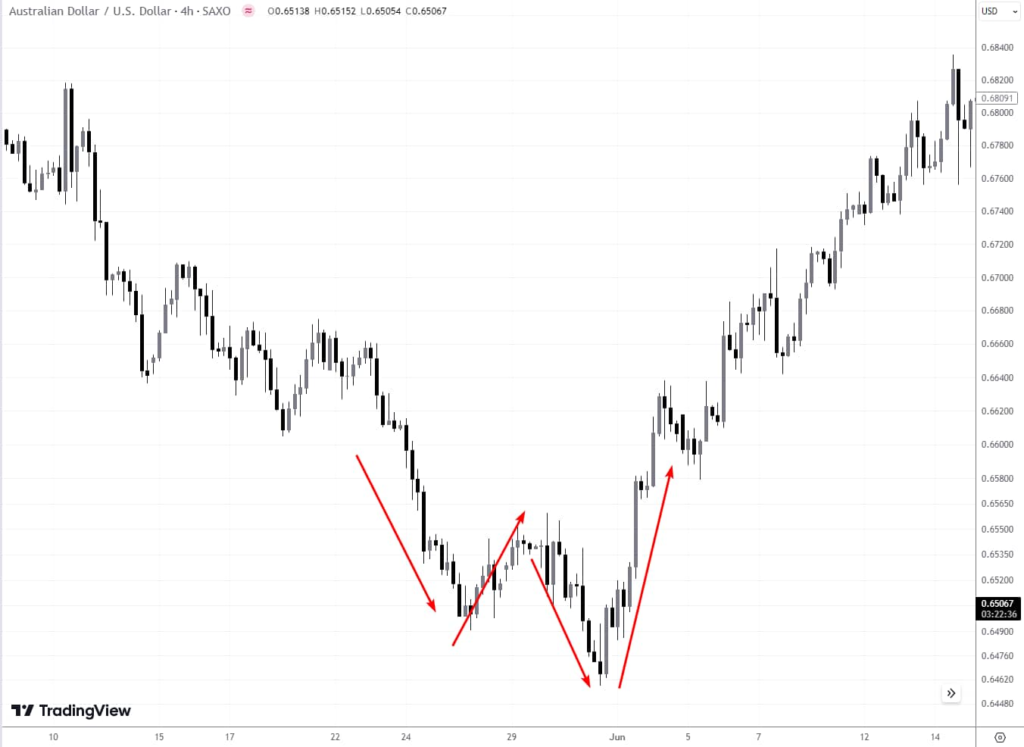
Breakout trading focuses on moments when price moves strongly beyond important support or resistance levels.
When the market breaks above resistance or below support with strong momentum, traders often expect larger movements to follow. Breakouts can create powerful trading opportunities, especially during periods of increased volatility.
However, false breakouts are also common, which is why proper risk management is extremely important with this strategy.
Many traders combine breakout setups with volume analysis to confirm whether the move has enough strength behind it.
Moving Average Strategies
Moving averages are among the most popular tools used by beginner traders because they help simplify chart analysis.
A common approach involves using two moving averages with different time periods. Traders then look for crossovers between them to identify possible changes in trend direction.
For example, when a shorter-term moving average crosses above a longer-term moving average, some traders view it as a bullish signal. When the opposite happens, it may suggest bearish momentum.
Moving averages are popular because they help traders filter out market noise and focus more clearly on trends.

Scalping and Swing Trading
Some trading strategies depend heavily on the time frame traders prefer.
Scalping is a very fast trading style where traders aim to profit from small market movements over short periods of time. Scalpers may open many trades during a single day and rely on quick decision-making and strong discipline.
Although scalping can look exciting, it is usually more difficult for beginners because of the emotional pressure and fast pace involved.
Swing trading, on the other hand, focuses on capturing larger market movements over several days or weeks. This style is often considered more beginner-friendly because it allows more time for analysis and usually involves less stress compared to day trading or scalping.
Many beginners prefer swing trading because it fits more easily around work, studies, or daily responsibilities.
Risk Management Is Essential
No trading strategy works without proper risk management.
Even strong strategies can fail if traders risk too much money or make emotional decisions. Successful traders usually focus heavily on protecting their capital through stop losses, position sizing, and disciplined execution.
A good strategy is not only about finding profitable trades. It is also about controlling losses and surviving difficult periods in the market.
Consistency over time matters much more than trying to make fast profits from a few risky trades.
Common Beginner Mistakes
One of the biggest mistakes beginners make is constantly switching between strategies after a few losses.
Many traders expect instant success and quickly abandon systems before fully understanding them. Others copy strategies from social media without learning how they actually work.
Overtrading, ignoring risk management, and chasing unrealistic profits are also common problems among new traders.
Learning one simple strategy properly is usually far more effective than constantly searching for a “perfect” system.
How to Choose the Right Trading Strategy
One of the most common questions beginners ask is which trading strategy is the best. The reality is that there is no single strategy that works for everyone.
The right approach depends on several factors, including your available time, risk tolerance, personality, and financial goals.
For example, traders who enjoy fast-paced environments may be attracted to scalping, while those with limited time often prefer swing trading because positions can be held for several days or weeks.
It is also important to choose a strategy that matches your level of experience. Many beginners make the mistake of trying advanced techniques before understanding the fundamentals of market structure and risk management.
A simple strategy that is consistently applied is often more effective than a complicated strategy that is poorly executed.
Real Example of a Beginner Trading Strategy
Imagine a trader identifies an uptrend in a stock or cryptocurrency using a moving average.
The trader waits for the price to pull back toward a support area before entering a position. A stop loss is then placed below the support level to control risk, while a profit target is set based on the expected market movement.
This type of setup combines trend following, support and resistance analysis, and risk management into a single trading plan.
Although not every trade will be successful, following a structured process can help traders avoid emotional decision-making and maintain consistency over time.
Frequently Asked Questions
Which trading strategy is best for beginners?
Many beginners start with trend-following or swing-trading strategies because they are easier to understand and usually involve less pressure than short-term trading styles.
Can I use more than one strategy?
Yes. Many experienced traders combine multiple techniques depending on market conditions. However, beginners often benefit from mastering one strategy before adding others.
How long does it take to learn a trading strategy?
Learning the basics can take a few weeks, but developing consistency usually requires months or even years of practice and experience.
Is risk management more important than strategy?
Many traders believe risk management is just as important, if not more important, than the strategy itself. Even a strong strategy can fail without proper control of losses.
Final Thoughts
Trading strategies help bring structure, discipline, and consistency to financial markets. While no strategy guarantees profits, trading with a clear plan is far better than relying on emotions or random decisions.
For beginners, simpler strategies such as trend following, support and resistance, or swing trading are often easier to learn and manage.
The key to long-term success is not finding a magical strategy, but developing discipline, managing risk effectively, and continuously improving your understanding of the markets. Successful traders focus on consistency, patience, and long-term growth rather than chasing quick profits.
No matter which strategy you choose, remember that learning takes time. Building experience, reviewing mistakes, and following a structured approach can help traders become more confident and consistent over the long term.