
Understanding Trading
Every year, thousands of people decide to learn about trading. Some are attracted by stories of quick profits on social media, while others simply want to understand how financial markets work. However, after spending years researching trading and following different markets, one thing becomes clear: successful trading has very little to do with luck and far more to do with preparation, discipline, and risk management.
One of the biggest misconceptions is that trading is simply about buying low and selling high. In reality, experienced traders spend much more time analyzing market conditions, managing risk, and following structured trading plans than they do actually placing trades. Understanding how markets behave is often far more valuable than trying to predict every price movement.
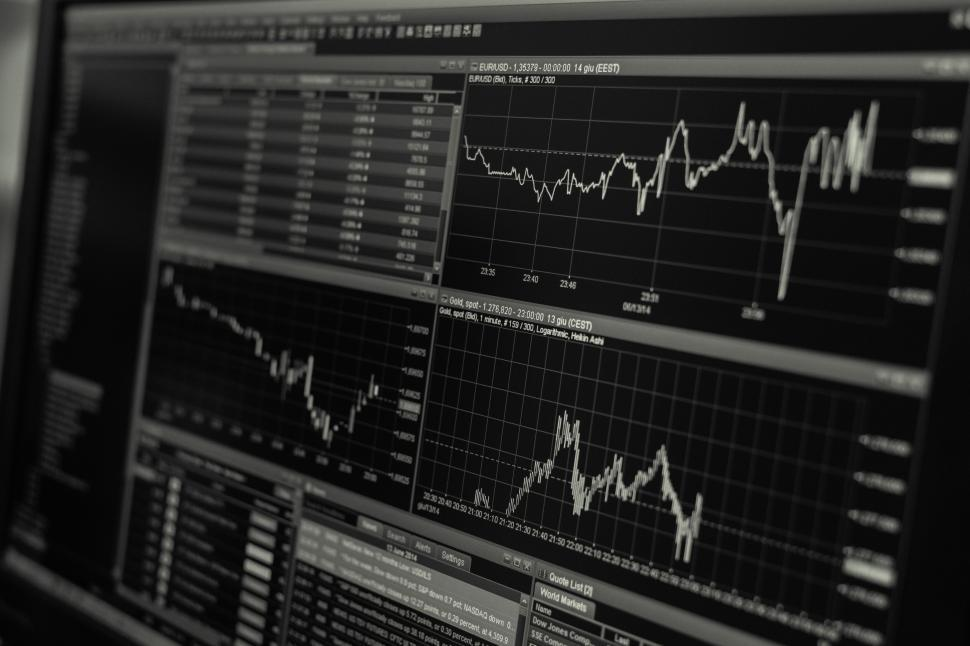
In simple terms, trading is the process of buying and selling financial assets with the goal of profiting from price movements. Unlike long-term investing, trading usually involves making more active decisions over shorter time frames. Whether you’re interested in stocks, forex, cryptocurrencies, or commodities, understanding the fundamentals is the first step toward making informed decisions in the financial markets.
The Main Financial Markets
There are several financial markets where trading takes place, and each one has its own characteristics.
The stock market is one of the most popular choices for beginners. This is where traders buy and sell shares of companies such as Apple, Tesla, or Amazon. Stock prices move depending on company performance, economic news, and investor sentiment.
Another major market is forex, also known as foreign exchange trading. Forex involves trading currencies like the euro, dollar, or pound and is considered the largest financial market in the world. Traders try to predict whether one currency will rise or fall compared to another.
Cryptocurrency trading has also grown massively in recent years. Digital assets such as Bitcoin and Ethereum attract many traders because prices can move very quickly. While this volatility creates opportunities, it also increases the level of risk.
Some traders prefer commodities like gold, oil, or silver. These markets are heavily influenced by global events, economic conditions, and supply and demand.
Different Trading Styles
Not all traders approach the market in the same way. Some prefer fast-paced trading, while others focus on longer-term opportunities.
Day trading involves opening and closing trades within the same day. Traders try to profit from small market movements and usually avoid leaving positions open overnight. Swing trading is slower and focuses on holding trades for several days or weeks in order to capture bigger price movements.
There is also scalping, which is a very short-term style where traders enter and exit positions quickly, sometimes within minutes. On the other hand, position trading focuses more on long-term market trends and can involve holding trades for months.
How Traders Analyze the Market
Before entering trades, most traders use some form of analysis to improve their decisions.
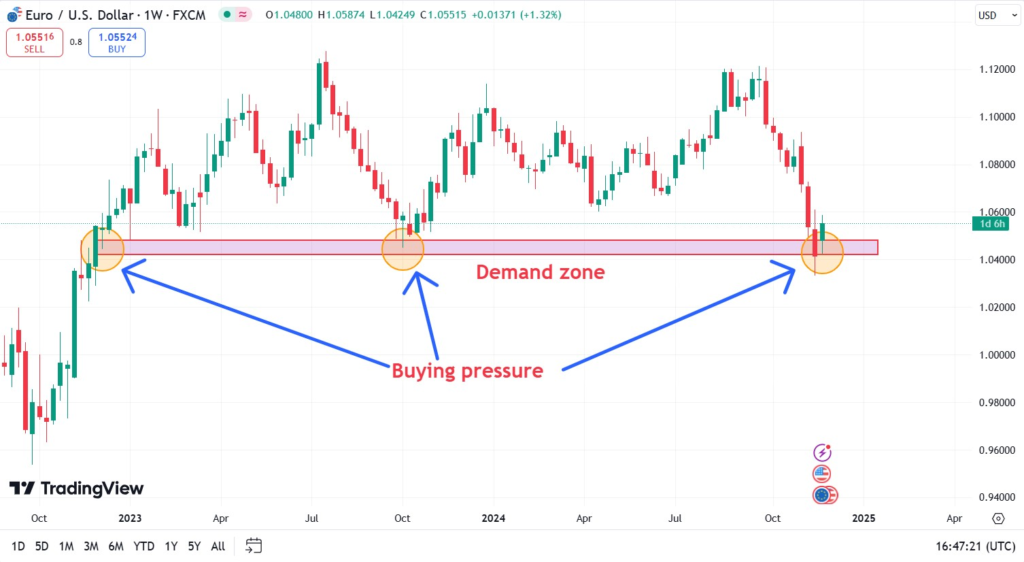
Technical analysis focuses on charts, price action, and indicators. Traders often study support and resistance levels, trends, moving averages, or candlestick patterns to identify possible opportunities.
Fundamental analysis is different because it focuses on economic news and real-world events. Interest rates, inflation reports, company earnings, and political developments can all have a major impact on financial markets.
Why Risk Management Matters
One of the biggest mistakes beginners make is ignoring risk management. Trading is not guaranteed money, and losses are a normal part of the process.
Successful traders usually focus more on protecting their capital than chasing fast profits. Discipline and emotional control are extremely important because emotional decisions often lead to unnecessary losses.
Learning how to manage risk properly can make a huge difference over the long term, especially for beginners who are still gaining experience.
How Trading Really Works
Many beginners believe trading is simply about buying low and selling high. While this is technically true, successful trading involves much more than that.
Professional traders spend significant time analyzing markets, managing risk, and developing structured trading plans. Before entering a trade, they often know exactly where they will enter, where they will exit if the trade goes wrong, and how much money they are willing to risk.
Trading should not be viewed as a shortcut to quick wealth. Instead, it is a skill that requires education, patience, and continuous improvement. Understanding how markets behave is often more important than trying to predict every price movement.
Common Mistakes New Traders Make
Most beginners make similar mistakes when they first enter the financial markets.
One of the most common problems is overtrading. New traders often feel the need to constantly open positions because they believe more trades will lead to more profits. In reality, taking low-quality setups often produces the opposite result.
Another frequent mistake is ignoring risk management. Some traders focus entirely on potential profits while paying very little attention to possible losses. This can quickly damage a trading account.
Many beginners also jump between different strategies without giving themselves enough time to properly learn any of them. Consistency is usually more valuable than constantly searching for a perfect system.
Learning from mistakes and focusing on gradual improvement is often one of the biggest factors behind long-term success.
Trading vs Investing
Although the terms are sometimes used interchangeably, trading and investing are not the same thing.
Trading generally focuses on shorter-term price movements. Traders actively buy and sell assets with the goal of profiting from market fluctuations over days, weeks, or months.
Investing typically involves holding assets for much longer periods, often several years. Investors are usually more focused on the long-term growth of companies, industries, or economies.
Neither approach is necessarily better than the other. The best choice depends on individual goals, risk tolerance, and time commitment.
Many people actually combine both approaches by maintaining long-term investments while also trading a smaller portion of their capital.
Frequently Asked Questions
Can anyone learn how to trade?
Yes. Trading is a skill that can be learned by anyone willing to invest time in education and practice. However, becoming consistently profitable usually takes much longer than most beginners expect.
How much money do I need to start trading?
The amount varies depending on the market and platform. Some brokers allow traders to start with relatively small amounts, but beginners should never risk money they cannot afford to lose.
Is trading risky?
Yes. All forms of trading involve risk, and losses are part of the process. This is why risk management and proper education are so important.
How long does it take to become a profitable trader?
There is no fixed timeline. Some traders develop consistency within months, while others may need years of study and practice. Success usually depends on discipline, experience, and continuous learning.
Final Thoughts
Trading can be exciting and potentially rewarding, but it is not something people master overnight. Becoming profitable usually requires time, education, patience, and a lot of practice.
The best approach for beginners is to focus on understanding how markets work, developing solid risk management habits, and building experience gradually. Successful traders rarely focus only on profits; they focus on protecting capital, managing emotions, and following a structured plan.
Whether you are interested in stocks, forex, cryptocurrencies, or commodities, trading should be approached as a long-term learning process rather than a quick way to make money.
Over time, the knowledge and discipline gained through trading can become valuable skills that extend far beyond the financial markets themselves.