
The Reality Behind Crypto Trading
Many individuals are drawn to the world of digital currency trade because of the thrill of rapidly changing prices and the possibility of profiting from these fluctuations. On a regular basis, social networks show postings including screenshots indicating that individuals have achieved millions of dollars in earnings and that many traders have achieved complete financial independence through digital currency investment. Additionally, predictions are made on social media regarding coins or tokens that may potentially go to zero overnight. When first entering the market, new traders often perceive cryptocurrency trading as being one “big opportunity.”
The majority of crypto traders lose money during their first several years in the market. New traders assume that many individuals have difficulty making money due to the fact that trading cannot be done; rather, most traders are not adequately prepared psychologically and emotionally for the level of volatility and stress associated with trading in this arena. New traders frequently assume that their level of success is determined by finding an ideal indicator or strategy; however, in many cases, a trader’s long-term profitability is a direct result of his ability to be disciplined, patient, and emotionally disciplined.
The primary element that has the greatest detrimental impact on new traders is the focus on money and the potential for profit rather than focusing on loss or the potential for losing their capital. This creates a risk-taking mentality immediately and does so in such a way that emotions will be making the decisions before the new trader has even had a chance to take a “time out” and think about his or her actions.
Social Media Creates Unrealistic Expectations
Crypto culture online often gives people the wrong impression about trading. During strong bull markets, timelines become filled with traders posting massive gains, luxury lifestyles, and predictions about endless price increases. Very few people talk openly about losses, emotional stress, or the reality of losing money repeatedly while learning.
Because of this, many beginners enter the market believing profits should come quickly. They expect to double accounts within weeks or believe every trade should become a winner. The moment reality becomes more difficult, frustration begins appearing immediately.
Social media also encourages emotional thinking. Coins become trends, communities become obsessed with certain projects, and hype spreads faster than logic. Many traders stop analyzing markets rationally and instead begin following whatever everyone else is talking about. This creates a dangerous cycle where people buy because they are emotionally excited rather than because the trade actually makes sense.

Emotions Become the Biggest Enemy
One of the hardest parts about crypto trading is controlling emotions during volatility. Crypto markets move aggressively, sometimes within minutes, and those movements affect people psychologically much more than they expect.
When prices rise quickly, traders become greedy. They feel pressure to enter immediately before prices move even higher. Fear of missing out takes over, and suddenly traders start buying emotionally after large pumps instead of waiting patiently for good opportunities.
Then the opposite happens during crashes. Panic spreads everywhere, social media becomes negative, and traders begin selling emotionally because they are afraid prices will continue collapsing forever. The same people who felt unstoppable during bullish moves suddenly lose all confidence once the market turns bearish.
This emotional cycle destroys consistency because traders stop following logic. Instead of staying disciplined, decisions become reactions to fear and excitement. Professional traders understand that emotions never disappear completely, but they learn how to avoid making impulsive decisions because of them.
Why Most Beginners Overtrade
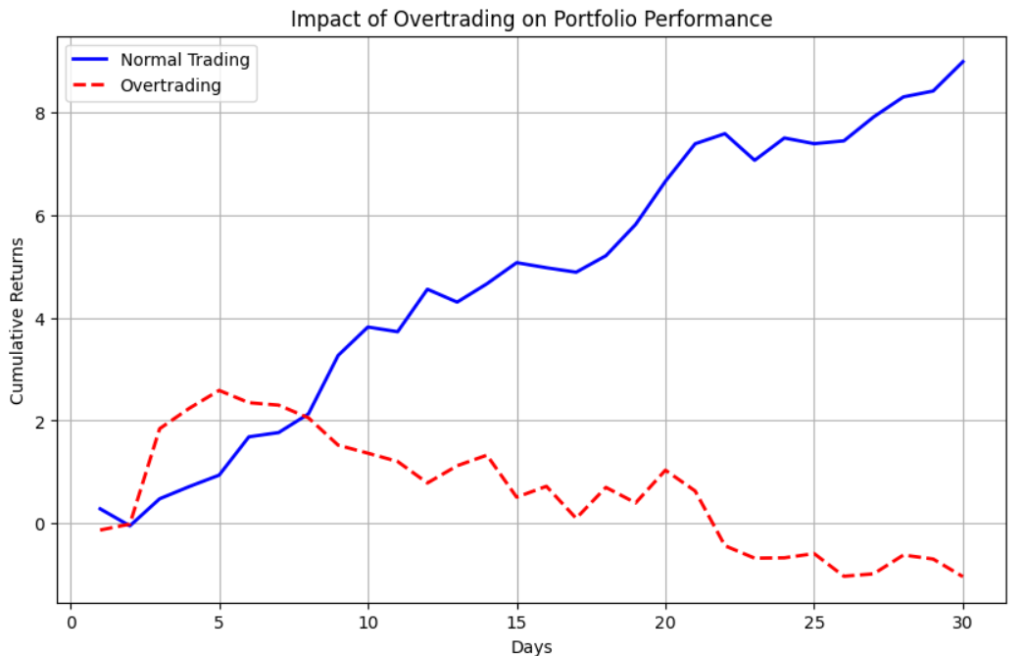
Another major reason traders fail is overtrading. Many beginners believe they must always be active in the market in order to make money. They spend hours staring at charts searching for trades constantly, even when market conditions are unclear.
This behavior usually creates unnecessary losses because traders begin forcing opportunities that do not really exist. Instead of waiting for strong setups, they trade out of boredom, frustration, or impatience. Over time this becomes emotionally exhausting, and mistakes start happening more frequently.
Experienced traders often behave very differently. They understand that patience is one of the biggest advantages in trading. Sometimes doing nothing is actually the smartest decision. The market will always provide new opportunities eventually, and successful traders know they do not need to catch every movement.
Risk Management Separates Professionals From Beginners
One of the clearest differences between experienced traders and beginners is the way they think about risk. Beginners usually focus entirely on potential profits, while professional traders focus first on protecting capital.
This changes everything psychologically.
When traders risk too much money on single trades, emotions become impossible to control. Fear becomes stronger, stress increases, and decision-making gets worse. Many beginners destroy accounts simply because they risked too much trying to achieve unrealistic profits too quickly.
Professional traders understand that losses are normal. Even great setups fail sometimes because markets are unpredictable. This is why protecting capital matters so much. Surviving long enough to improve is far more important than trying to become rich quickly.
Crypto trading is not about winning every trade. It is about managing risk well enough to stay consistent over long periods of time.
The Market Rewards Discipline, Not Excitement
One of the biggest misunderstandings about crypto trading is believing successful traders are constantly making huge profits every day. In reality, many professional traders focus more on consistency than excitement.
They avoid emotional decisions, stay patient during uncertainty, and understand that long-term survival matters more than short-term hype. While beginners often search for adrenaline and fast money, experienced traders usually focus on controlling emotions and protecting their accounts carefully.
This mindset becomes especially important during difficult market conditions. Bull markets make trading feel easy because prices rise aggressively, but real discipline is tested during bearish periods where patience and emotional control become much harder.
Using platforms such as TradingView can help traders analyze markets more professionally, but no tool can replace emotional discipline and proper risk management.
Final Thoughts
Most crypto traders lose money not because they lack intelligence, but because emotions, impatience, and unrealistic expectations slowly destroy their decision-making. The crypto market is highly emotional, extremely volatile, and psychologically demanding, especially for beginners who enter expecting fast success.
Long-term profitability usually comes from controlling risk, staying patient, and learning how to remain calm while everyone else reacts emotionally to market movements. The traders who survive are rarely the ones chasing hype constantly. More often, they are the ones who stay disciplined, protect their capital carefully, and continue improving while others give up emotionally after losses.