
What Is Swing Trading?
Swing trading is a popular trading style focused on capturing medium-term market movements. Instead of opening and closing trades within minutes or hours like day traders, swing traders usually hold positions for several days or even weeks.
The goal is to take advantage of larger price movements, also known as “swings,” that happen during trends or market reversals. Because trades develop over a longer period, swing trading is generally slower paced and less stressful than scalping or day trading.
Many traders are attracted to swing trading because it offers more flexibility and does not require constant chart monitoring throughout the day.
Why Swing Trading Is So Popular
One of the biggest reasons swing trading has become so popular is because it fits more easily into normal daily life.
Unlike day trading, swing trading does not require traders to spend hours watching every market movement. This makes it a more practical option for people who have jobs, studies, or other responsibilities but still want to participate in financial markets.
Swing trading also tends to involve fewer emotional decisions because traders have more time to analyze setups and plan trades carefully.
How Swing Trading Works
Swing traders look for markets that show strong momentum, trends, or reversal potential.
Typically, traders analyze market structure, identify important support and resistance zones, wait for confirmation signals, and then enter trades with clear risk management plans.
The idea is to enter during the early stages of a move and exit before momentum begins to weaken.
Compared to fast trading styles, swing trading relies much more on patience and planning than on quick reactions.
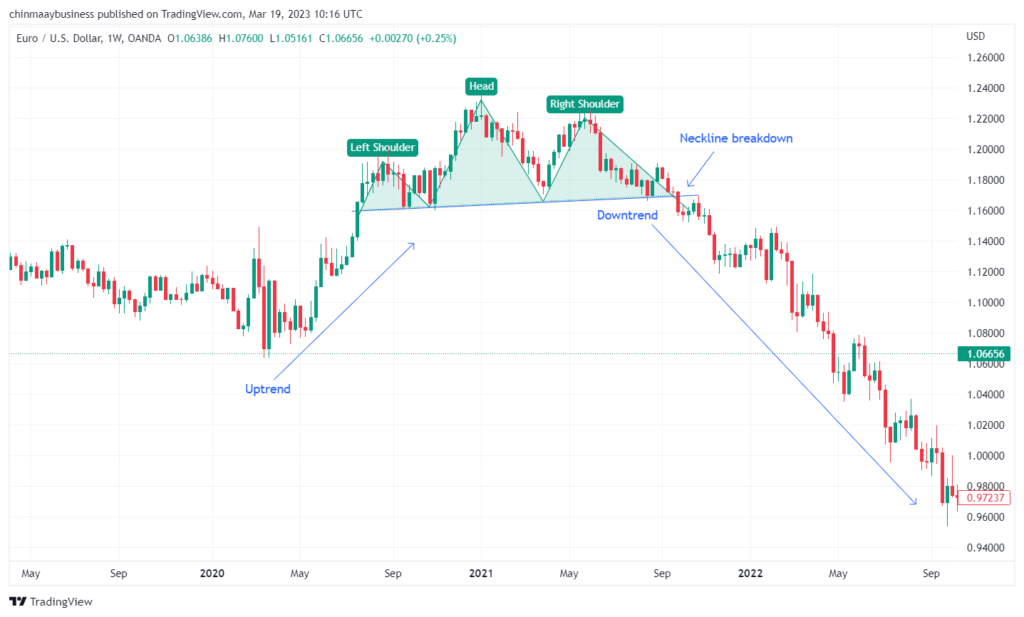
Markets Commonly Used for Swing Trading
Swing trading works across many different financial markets.
Forex is a popular choice because major currency pairs often develop strong trends over time. Stock trading is also widely used for swing trading since company news, earnings reports, and market momentum can create large price movements lasting days or weeks.
Cryptocurrency markets are another favorite among swing traders due to their volatility. Assets like Bitcoin and Ethereum can produce strong swings in relatively short periods of time.
However, the higher volatility in crypto also means that risk management becomes even more important.
Trend Following and Pullbacks
Many swing traders focus heavily on trend-following strategies.
The basic idea is simple: buy during uptrends and sell during downtrends. Trading with the overall trend generally provides a higher probability of success than trying to trade against market momentum.
One of the most common swing trading approaches is the pullback strategy. Instead of chasing price after a large move, traders wait for temporary retracements before entering.
For example, during a strong uptrend, price may pull back toward a support level or moving average before continuing higher. Swing traders often use these pullbacks to find lower-risk entries and better risk-to-reward opportunities.
Breakout Opportunities
Swing traders also frequently use breakout setups.
A breakout occurs when price moves strongly beyond an important support or resistance level. When this happens with momentum and volume confirmation, traders may enter positions expecting the move to continue over the next several days.
Breakout trading can be especially effective during periods of consolidation where the market has been building pressure before a strong move.
However, false breakouts can still happen, which is why patience and discipline remain important.
Indicators Used by Swing Traders
Swing traders often combine multiple tools to improve analysis and confirm setups.
Moving averages are commonly used to identify trends and market direction. RSI and MACD are also popular because they help traders analyze momentum and possible reversals.
For example, RSI is frequently used to measure momentum strength.
RSI=100−1+RS100
Bollinger Bands, volume analysis, and support and resistance levels are also widely used in swing trading strategies.
Despite this, experienced traders usually avoid overloading charts with too many indicators. Simpler analysis often leads to clearer decisions.
Risk Management in Swing Trading
Risk management is extremely important because swing trades stay open longer than day trades.
Good swing traders typically use stop losses, manage position sizes carefully, and focus on maintaining healthy risk-to-reward ratios. Since positions remain open overnight, traders must also consider the possibility of sudden market news or unexpected volatility.
Protecting capital is always more important than trying to maximize profits from a single trade.
Advantages and Challenges
Swing trading offers several advantages compared to faster trading styles. It requires less screen time, allows trades more time to develop, and often creates less emotional pressure.
This flexibility makes swing trading easier to combine with work, school, or other responsibilities.
However, swing trading also has challenges. Holding trades overnight introduces additional risk, and trades may sometimes take days or weeks before reaching their target. Strong patience and emotional control are essential for staying disciplined during temporary pullbacks or market uncertainty.
Final Thoughts
Swing trading is one of the most popular trading styles because it balances flexibility, market activity, and risk management. By focusing on medium-term trends and larger price movements, swing traders can participate in financial markets without the constant pressure of intraday trading.
Like every trading style, success in swing trading does not come from chasing quick profits. It comes from discipline, patience, consistency, and continuous improvement over time.