
Understanding Support and Resistance
Support and resistance are two of the most important concepts in technical analysis. Almost every trader uses these levels in some way to better understand market behavior and identify potential trading opportunities.
For beginners, these concepts can seem confusing at first, but the idea behind them is actually very simple. Support and resistance help traders identify areas where price may react, reverse, slow down, or continue moving.
Learning how to identify these levels can improve trade timing, market analysis, and overall risk management.
What Is Support?
Support is a price area where buying pressure may become strong enough to stop the market from falling further.
In simple terms, support is an area where buyers tend to enter the market and push prices back upward. Because of this, support often acts like a “floor” underneath price.
For example, if a stock repeatedly falls near a certain price and then bounces higher, traders may begin viewing that area as an important support zone.
These levels exist because traders remember areas where strong buying activity happened previously, and many expect similar reactions if price returns there again.
What Is Resistance?
Resistance is the opposite of support.
It is a price area where selling pressure may become strong enough to stop the market from moving higher. At resistance levels, sellers often become more active and bullish momentum may begin to weaken.
Resistance can be thought of as a “ceiling” above the market.
For example, if Bitcoin repeatedly struggles to move above a certain price level, traders may identify that area as resistance.
Just like support, resistance levels are heavily influenced by market psychology and trader behavior.
Why These Levels Matter
Support and resistance are important because markets frequently react around these areas.
Traders use them to identify possible entry points, place stop losses, determine profit targets, and analyze overall market direction. These concepts are widely used in forex, stocks, cryptocurrencies, and commodities.
Because so many traders pay attention to similar price levels, support and resistance can sometimes become self-fulfilling. Large numbers of buyers or sellers may react at the same areas, increasing the chances of noticeable market movement.
How Traders Identify Support and Resistance
Most traders identify support and resistance by studying historical price action.
Support levels often appear where price repeatedly bounces upward after falling into the same area multiple times. Resistance levels are usually found where price repeatedly struggles to continue moving higher.
The more times the market reacts to a level, the more important that area may become.
However, beginners should understand that support and resistance are not usually exact lines. In reality, they are often zones or areas where price reactions are more likely to happen.
Breakouts and Breakdowns
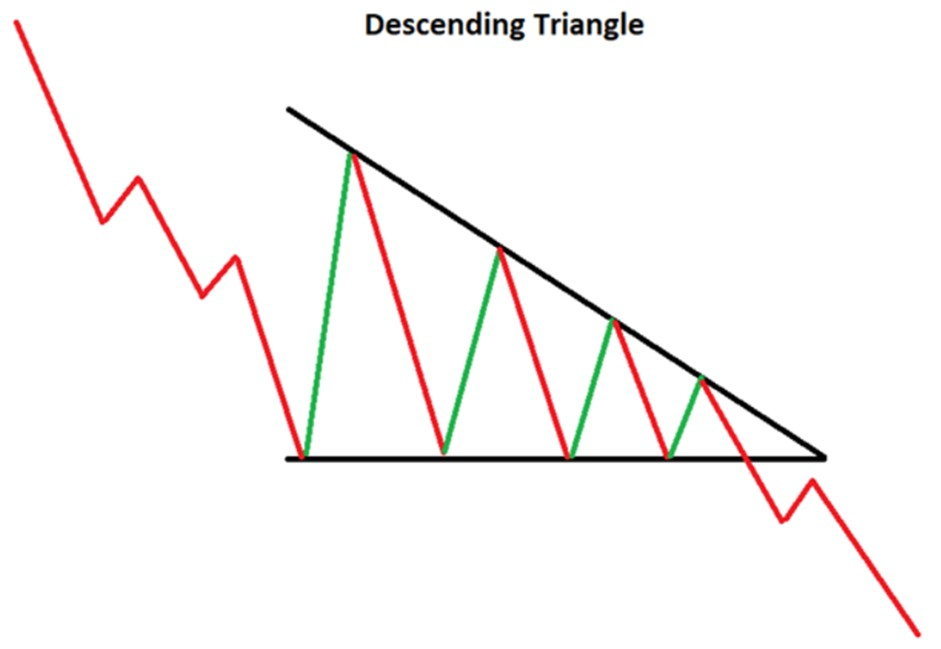
Sometimes the market moves strongly through support or resistance instead of reversing.
When price breaks above resistance with strong momentum, it is known as a breakout. This can signal increasing bullish strength and may attract additional buyers into the market.
When price falls below support, it is called a breakdown, which may indicate growing bearish momentum and stronger selling pressure.
Breakouts can create strong trading opportunities, but false breakouts are also common. This is why risk management remains extremely important.
The Role Reversal Concept
An important idea in technical analysis is role reversal.
This happens when old resistance becomes new support, or old support becomes new resistance.
For example, if price breaks above a resistance level and later returns to test it, traders may expect that same level to now act as support.
Many traders use these retests as potential entry opportunities because they can provide clearer risk management and better trade structure.
Combining Support and Resistance with Indicators
Support and resistance often become more powerful when combined with other tools.
Many traders use them alongside moving averages, RSI, trend lines, candlestick patterns, or volume analysis to improve confirmation and increase confidence in their setups.
For example, RSI is commonly used to measure momentum and identify possible overbought or oversold conditions.
RSI=100−1+RS100
Using multiple forms of analysis together can help traders avoid weaker setups and make more informed decisions.
Common Beginner Mistakes
One common mistake beginners make is drawing too many support and resistance levels on their charts. This often creates confusion and makes analysis more difficult.
Other traders try to force levels that are not clearly respected by the market or trade every bounce blindly without considering overall market conditions.
Support and resistance are not perfect prediction tools. They simply identify areas where price reactions become more likely.
This is why proper risk management and discipline are still essential.
Final Thoughts
Support and resistance are foundational concepts in trading and technical analysis. They help traders identify important market zones where price may react, reverse, or accelerate.
For beginners, learning how to identify these levels is one of the best ways to improve market understanding and develop stronger trading skills.
With practice and experience, traders can learn how to combine support and resistance with proper risk management and build more structured trading decisions over time.