
What Is Forex Trading?
Forex trading, also known as foreign exchange trading, is one of the largest financial markets in the world. Every day, trillions of dollars are exchanged between banks, institutions, companies, and individual traders.
In simple terms, forex trading involves buying one currency while simultaneously selling another. Currencies are always traded in pairs because the value of one currency is compared to another currency.
Some of the most traded currency pairs include EUR/USD, GBP/USD, and USD/JPY. For example, if a trader believes the euro will become stronger against the US dollar, they may buy EUR/USD and try to profit if the price rises.
Why Forex Is So Popular
One reason forex trading attracts so many people is because the market is extremely active and accessible. Unlike some other financial markets, forex operates 24 hours a day during weekdays, allowing traders from around the world to participate almost anytime.
Many beginners are also attracted to forex because brokers often allow accounts with relatively small deposits. Combined with the large amount of educational content available online, this makes forex one of the most beginner-friendly markets to explore.
Another advantage is liquidity. Since the forex market is so large, trades can usually be opened and closed very quickly.
How Forex Trading Works
Forex prices move based on supply and demand. If more traders want to buy a currency, its value may rise. If more traders want to sell it, the value may fall.
For example, imagine EUR/USD is trading at 1.1000. If a trader believes the euro will strengthen against the dollar, they may buy the pair. If the price later rises to 1.1050, the trader could close the trade with a profit. If the price falls instead, the trade would result in a loss.
Although the concept sounds simple, the market is influenced by many economic and political factors that constantly affect currency prices.
Understanding Currency Pairs
Every forex trade involves two currencies.
The first currency in the pair is called the base currency, while the second is called the quote currency. The price tells traders how much of the quote currency is needed to buy one unit of the base currency.
For example, in EUR/USD:
- EUR is the base currency.
- USD is the quote currency.
Major currency pairs such as EUR/USD or GBP/USD are usually the most popular among beginners because they tend to have higher liquidity and lower trading costs.
What Moves the Forex Market?
Forex prices are heavily influenced by economic news and global events.
Interest rate decisions, inflation reports, employment data, and central bank announcements can all create strong market movements. Institutions such as the Federal Reserve or the European Central Bank play a major role in shaping currency markets.
Political uncertainty, elections, wars, and major international events can also increase volatility and cause currencies to move quickly.
Because of this, many forex traders pay close attention to economic calendars and global news.
Pips, Spreads, and Leverage
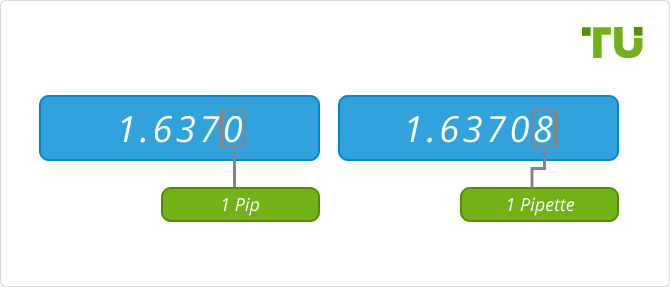
One of the first concepts beginners learn in forex is the pip. A pip is one of the smallest price movements in the forex market.
1 pip=0.0001
Pips are used to measure profits, losses, and overall market movement.
Another important concept is the spread, which is the difference between the buy price and the sell price of a currency pair. The spread is effectively a trading cost paid to the broker.
Forex brokers also often offer leverage, allowing traders to control larger positions with smaller amounts of money. While leverage can increase profits, it also increases risk significantly, which is why beginners should use it carefully.
Risks of Forex Trading
Although forex trading offers many opportunities, it is not easy money.
Currency prices can move quickly, especially during important economic announcements. Beginners often struggle with emotional trading, overtrading, or using too much leverage.
Many new traders enter the market expecting fast profits, but successful trading usually requires patience, discipline, and proper risk management.
Using stop losses, controlling position sizes, and avoiding emotional decisions are essential habits for long-term survival in the market.
Tips for Beginners
For beginners, the best approach is to focus on learning before risking large amounts of money.
Many traders start with demo accounts to practice without real financial risk. This allows them to understand how the market behaves and become familiar with trading platforms before trading live.
It is also important to keep expectations realistic. Forex trading is a skill that develops over time, and consistency matters far more than trying to make quick profits overnight.
Final Thoughts
Forex trading is one of the most active and accessible financial markets in the world. It allows traders to speculate on currency movements and participate in the global economy from almost anywhere.
For beginners, understanding the basics of currency pairs, pips, spreads, leverage, and risk management is extremely important before trading real money.
Like every financial market, forex offers both opportunities and risks. The traders who tend to succeed are usually those who focus on education, discipline, and long-term improvement instead of chasing fast profits.