
Is It Possible to Start Small?
One of the biggest myths about trading is that you need thousands of dollars before you can even get started. After researching different markets and trading platforms over the years, it became clear that this is no longer true. Today, technology has made financial markets far more accessible, allowing beginners to start learning with relatively small amounts of capital.
However, starting with little money should never be seen as a shortcut to quick profits. In fact, small accounts often provide one of the best learning environments because they encourage traders to focus on discipline, risk management, and building good habits instead of chasing unrealistic returns.
The amount of money you start with is far less important than how you manage it. A trader who develops solid habits with a small account is usually in a much better position than someone who starts with a large balance but no plan.
Choosing the Right Market
Some financial markets are more beginner-friendly for small accounts than others.
Forex trading is one of the most popular options because brokers often allow traders to open very small positions. The forex market is also highly active, which gives traders plenty of opportunities throughout the day.
Cryptocurrency trading has also become very accessible. Platforms allow users to buy small portions of assets like Bitcoin or Ethereum instead of purchasing a full coin. While crypto can offer strong price movements, beginners should remember that volatility can also increase risk.
Stock trading is another good option, especially now that many brokers offer fractional shares. This means traders can buy small portions of expensive companies such as Amazon or Tesla without needing hundreds or thousands of dollars.
Why Demo Trading Matters
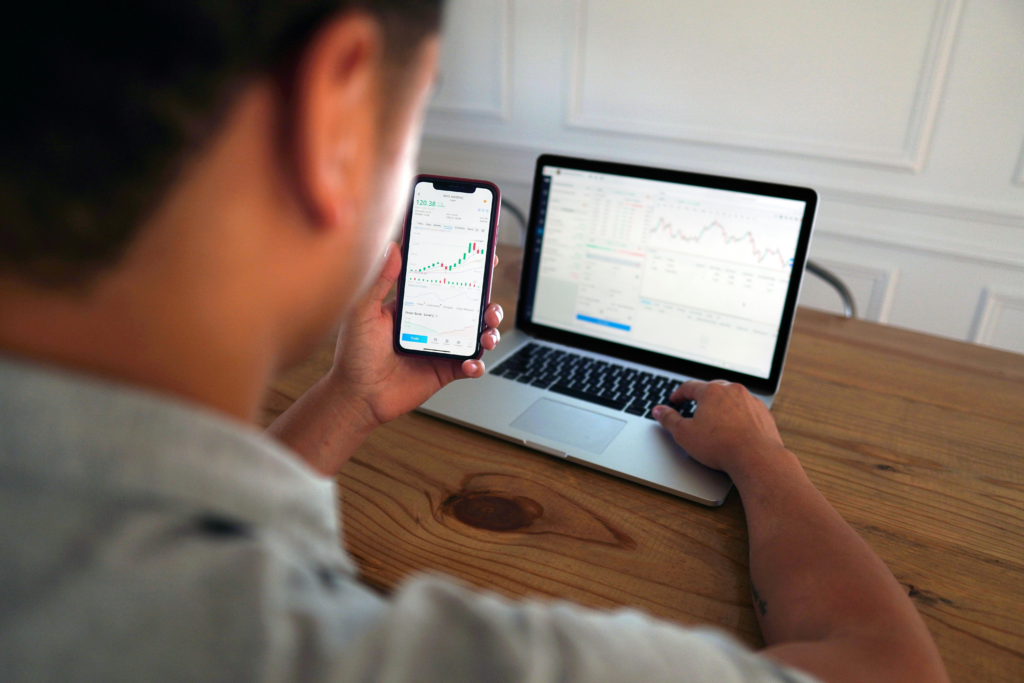
Before risking real money, beginners should spend time practicing with a demo account. A demo account allows traders to experience real market conditions without losing actual money.
This is one of the best ways to learn how trading platforms work, test strategies, and become more comfortable with price movements. Most beginners underestimate how emotional trading can become once real money is involved, so gaining experience first can make a huge difference.
Many experienced traders recommend practicing for weeks or even months before switching to a live account.
Focus on Risk Management
One pattern that consistently appears when studying successful traders is that they think about protecting their capital before thinking about making profits. Beginners often do the opposite, risking too much on a single trade because they want to grow a small account quickly.
In reality, small accounts require even greater discipline. A few poorly managed trades can significantly reduce your capital and make it much harder to recover. This is why experienced traders usually focus on position sizing, stop losses, and limiting risk on every trade rather than trying to maximize returns.
Learning proper risk management early can have a much bigger impact on long-term success than finding a new trading strategy every week.
Keep Your Strategy Simple
One of the biggest problems beginners face is constantly changing strategies after watching videos online or following random advice on social media.
In reality, simple strategies are often more effective for new traders. Learning how to properly use support and resistance, identify trends, or follow basic price action can already provide a strong foundation.
The goal at the beginning is not to find a “perfect strategy.” The goal is to understand one approach well and execute it consistently over time.
Avoid Unrealistic Expectations
Social media often creates the impression that trading is an easy way to become rich quickly. In reality, trading is a skill that takes time, patience, and practice to develop.
Starting with little money means progress may feel slow at first, but that does not make the experience less valuable. Many successful traders began with small accounts and focused first on improving their discipline and understanding of the markets.
Consistency is far more important than trying to double an account overnight.
Final Thoughts
Starting with little money is no longer a barrier to learning how financial markets work. In many cases, it can actually be an advantage because it encourages patience, discipline, and realistic expectations from the very beginning.
Every experienced trader started without knowing everything. The difference is that those who succeed usually treat trading as a long-term skill rather than a way to make quick money. Focus on building knowledge, protecting your capital, and improving with every trade. As your experience grows, your account can grow with it.