
Understanding DeFi
Decentralized Finance, better known as DeFi, has become one of the fastest-growing areas of the cryptocurrency industry. While Bitcoin introduced the idea of decentralized digital money, DeFi expanded that concept by creating financial services that operate without relying on traditional banks or centralized institutions.
Instead of opening an account at a bank, users can access lending platforms, decentralized exchanges, staking services, and many other financial applications directly through blockchain technology. This has created an entirely new ecosystem where anyone with an internet connection and a crypto wallet can participate.
Although DeFi offers exciting opportunities, it also introduces new risks and technical challenges. Understanding how decentralized finance works is essential before using these platforms or investing in DeFi-related projects.
What Is DeFi?
DeFi refers to financial applications built mainly on blockchain networks such as Ethereum that operate without traditional centralized institutions.
Instead of banks processing transactions and controlling accounts, DeFi platforms use smart contracts. Smart contracts are automated programs that execute actions automatically when specific conditions are met.
This allows users to interact directly with financial systems through blockchain technology.
DeFi includes activities such as decentralized trading, staking, crypto lending, liquidity providing, and yield farming, all without needing a traditional bank account.
Why DeFi Became So Popular
One major reason DeFi grew rapidly is accessibility.
Traditional financial systems often involve banks, paperwork, restrictions, intermediaries, and approval processes. DeFi allows users with an internet connection and a crypto wallet to access financial services globally at almost any time.
This created excitement because people suddenly had access to decentralized alternatives operating 24/7 without many of the limitations found in traditional banking.
Another reason for DeFi’s popularity was the possibility of earning passive income through staking, lending, and liquidity pools. During strong crypto bull markets, some DeFi platforms offered extremely high returns, attracting enormous investor attention.
How DeFi Works
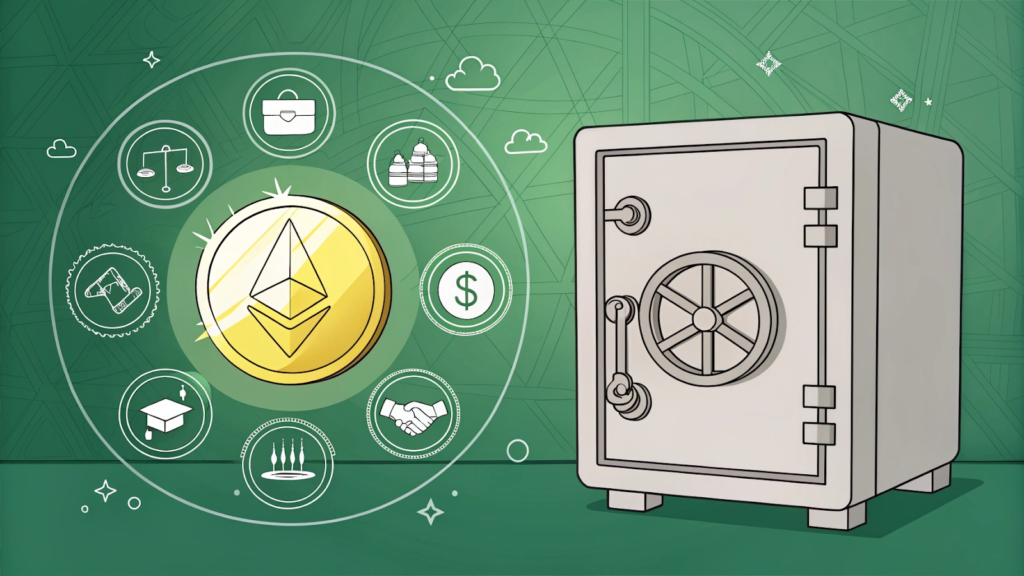
Most DeFi applications run on blockchain networks like Ethereum.
Users connect crypto wallets such as MetaMask and interact directly with decentralized applications. Unlike traditional apps where companies control accounts and balances, DeFi protocols usually rely on smart contracts to manage transactions automatically.
This means users often maintain direct control over their assets while transactions happen transparently on the blockchain itself.
Because DeFi systems are decentralized, many platforms remove the need for centralized approval processes entirely.
Decentralized Exchanges
One of the most important parts of DeFi is decentralized exchanges, often called DEXs.
These platforms allow users to trade cryptocurrencies directly from their wallets without sending funds to centralized companies.
This differs from centralized exchanges such as Binance, where users deposit assets onto the platform itself.
Decentralized exchanges became popular because they offer greater user control, stronger decentralization, and permissionless access.
However, they can also feel more complicated for beginners compared to traditional crypto platforms.
Yield Farming and Staking
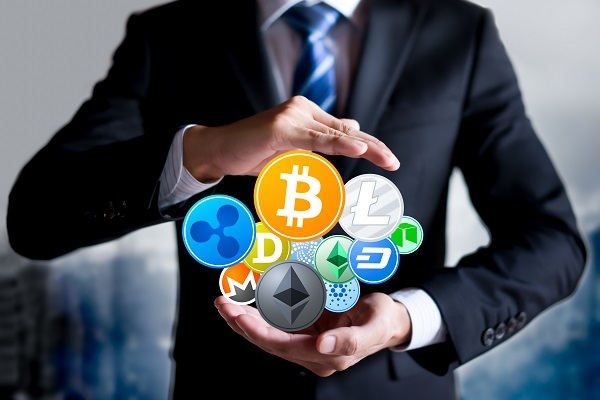
DeFi introduced new ways for cryptocurrency holders to earn rewards.
Staking involves locking cryptocurrencies to help secure blockchain networks while earning rewards in return.
Yield farming works differently and usually involves providing liquidity to DeFi protocols in exchange for returns or incentives.
During the peak of DeFi growth, some projects offered extremely high yields that attracted massive amounts of speculative capital.
However, many investors later realized that higher returns usually come with significantly higher risk.
The Risks of DeFi
Although DeFi is highly innovative, it is also one of the riskiest areas of the crypto industry.
Smart contract vulnerabilities, hacks, scams, rug pulls, and extreme volatility are all common risks inside decentralized finance.
Unlike traditional banking systems, DeFi often lacks strong consumer protections. If a protocol gets hacked or exploited, recovering funds may become impossible.
Because of this, many professional investors approach DeFi carefully despite the opportunities it offers.
Why DeFi Feels Revolutionary
Supporters of DeFi believe decentralized finance could eventually reshape parts of the global financial system.
Potential advantages include global accessibility, faster transactions, financial transparency, reduced reliance on banks, and programmable financial systems.
The idea of open financial networks available to anyone with internet access is one of the strongest narratives behind DeFi.
Some people view it as a major step toward a more decentralized digital economy.
The Psychology of DeFi Markets
DeFi markets are heavily influenced by speculation and hype.
During strong bull markets, new DeFi projects appear constantly, token prices rise aggressively, and investors often chase extremely high returns without fully understanding the risks involved.
Many beginners enter DeFi ecosystems without properly understanding smart contracts, liquidity risks, or protocol mechanics.
Experienced investors usually focus much more on security, sustainability, long-term viability, and risk management instead of blindly chasing the highest yields.
DeFi and Ethereum
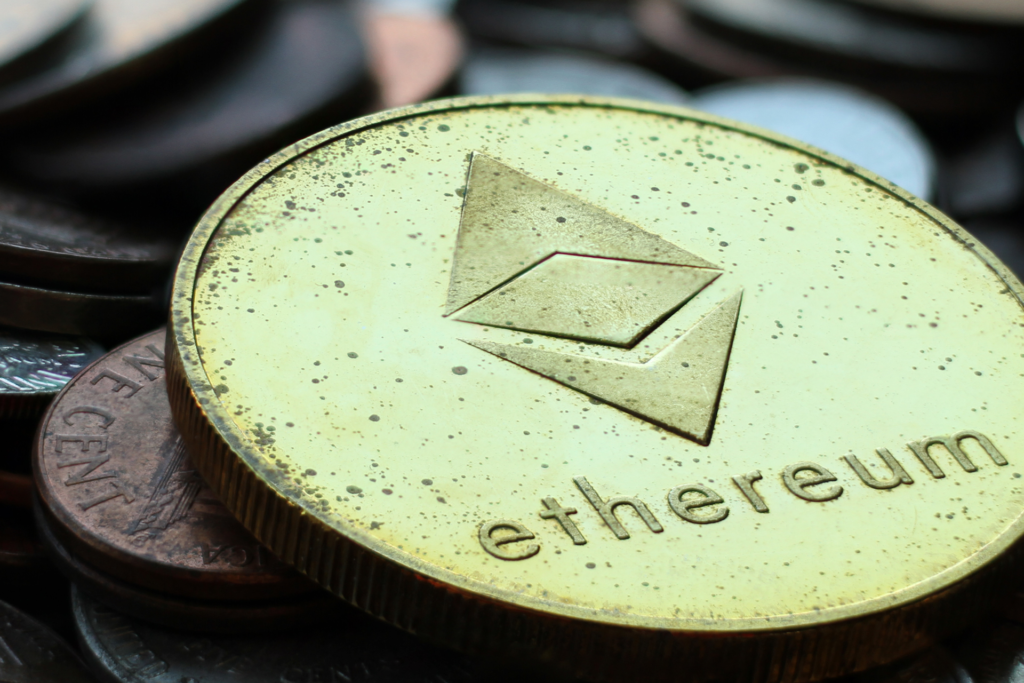
Ethereum became the main foundation for decentralized finance because of its smart contract functionality.
Most major DeFi applications were originally built on Ethereum, helping it become one of the most important ecosystems in the cryptocurrency industry.
As DeFi expanded, other blockchain networks also entered the space by offering lower transaction fees, faster speeds, and improved scalability.
Even with increasing competition, Ethereum still remains one of the most influential blockchain ecosystems in decentralized finance.
Learning DeFi Safely
For beginners, approaching DeFi slowly is usually the smartest strategy.
Before interacting with DeFi protocols, users should understand wallet security, blockchain transactions, gas fees, and smart contract risks.
Many investors use platforms such as TradingView, blockchain explorers, and educational resources to better understand market activity before risking real money.
Education becomes even more important in DeFi because blockchain mistakes are often irreversible.
Final Thoughts
DeFi represents one of the most innovative and experimental areas of the cryptocurrency industry. By combining blockchain technology and smart contracts, decentralized finance attempts to create financial systems that operate without traditional intermediaries.
While DeFi offers exciting opportunities such as decentralized trading, staking, lending, and passive income generation, it also introduces major risks that many beginners underestimate.
The future of decentralized finance remains uncertain, but its impact on blockchain innovation and digital finance is already enormous.
For anyone seriously exploring cryptocurrency, understanding DeFi is important because it represents one of the clearest examples of how blockchain technology could eventually transform global financial systems.