
Understanding Bull and Bear Markets
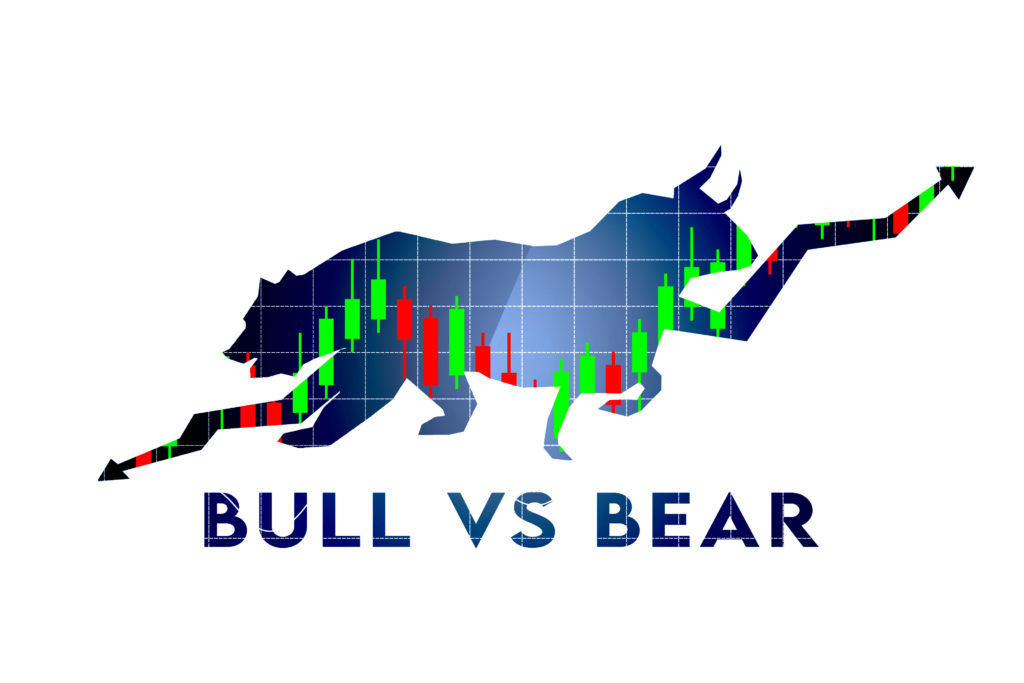
One of the first concepts people encounter when entering cryptocurrency trading is the difference between a bull market and a bear market. These two terms are fundamental because they describe the overall direction, mood, and behavior of the market.
Crypto markets are especially famous for extreme bullish and bearish cycles. During strong bull markets, prices can rise aggressively for months or even years. During bear markets, prices can collapse dramatically and erase huge amounts of market value in relatively short periods.
Understanding these market phases is extremely important because they affect trading strategies, investor psychology, risk levels, and overall market opportunities.
Many beginners lose money simply because they fail to recognize what type of market environment they are trading in.
What Is a Bull Market?
A bull market refers to a period where prices generally rise over time.
During bullish conditions, investor confidence increases, optimism grows, and buying pressure becomes stronger. In crypto markets, bull markets are often accompanied by rapid price increases, huge social media activity, and waves of new investors entering the market hoping to profit from rising prices.
Major cryptocurrencies such as Bitcoin and Ethereum usually lead these bullish cycles.
Bull markets can become extremely emotional because crypto prices sometimes rise much faster than traditional financial assets.
Why Is It Called a Bull Market?
The term “bull market” comes from the way a bull attacks by thrusting its horns upward.
This upward movement symbolizes rising prices and positive market momentum.
Bull markets are commonly associated with confidence, excitement, strong momentum, and aggressive buying behavior.
What Is a Bear Market?
A bear market is the opposite of a bull market.
It refers to a period where prices generally fall over time.
During bearish conditions, fear increases, investor confidence weakens, and selling pressure dominates the market. Crypto bear markets are often extremely aggressive because many cryptocurrencies can lose 70%, 80%, or even more of their value during major downturns.
These periods create strong emotional pressure and uncertainty across the market.
Why Is It Called a Bear Market?
The term “bear market” comes from the way a bear attacks downward with its claws.
This downward movement represents falling prices and negative market sentiment.
Bear markets are usually associated with pessimism, panic, reduced activity, and uncertainty.
Many inexperienced traders struggle emotionally during bearish periods because losses can accumulate quickly.
How Bull Markets Usually Begin
Crypto bull markets often start when investor sentiment improves and confidence returns to the market.
Large events can also contribute to bullish momentum, including Bitcoin halving cycles, institutional adoption, ETF approvals, technological developments, or improved macroeconomic conditions.
As prices rise, media attention increases, attracting more investors and creating even stronger momentum.
This often creates a cycle where rising prices attract more buyers, which then pushes prices even higher.
The Psychology of Bull Markets
Bull markets can strongly affect investor psychology.
Fear of missing out, greed, and overconfidence become extremely common during rapid price increases. Social media often becomes filled with profit screenshots, viral predictions, and unrealistic expectations.
Many beginners start believing prices will continue rising forever and enter trades emotionally near local market tops.
Experienced traders usually understand that markets move in cycles and that corrections are a normal part of financial markets.
The Psychology of Bear Markets
Bear markets create the opposite emotional environment.
Fear dominates the market, media sentiment becomes negative, and many investors begin doubting the future of cryptocurrency entirely.
During severe bearish periods, panic selling increases and overall market participation often declines sharply.
Ironically, bear markets are often where experienced investors quietly accumulate positions while public interest disappears.
Professional traders understand that fear can sometimes create strong long-term opportunities.
Bitcoin’s Role in Market Cycles
Bitcoin plays a major role in determining the direction of the entire crypto market.
In many cases, when Bitcoin enters a strong bull market, smaller cryptocurrencies eventually follow. When Bitcoin crashes aggressively, most of the crypto market usually declines as well.
Because of this, traders carefully monitor Bitcoin dominance, overall market structure, and investor sentiment.
Bitcoin is widely viewed as the leader of the cryptocurrency ecosystem.
Different Strategies for Bull and Bear Markets
Different market environments often require different approaches.
During bull markets, traders commonly focus on momentum trading, breakout strategies, and trend following because strong upward momentum creates many opportunities.
During bear markets, traders usually become more defensive and focus more on risk management, protecting capital, and shorter-term opportunities.
Some long-term investors also use bear markets to gradually accumulate strong assets at lower prices.
Why Market Cycles Matter
Understanding market cycles helps traders avoid emotional decision-making.
Many beginners become greedy during bull markets and panic during bear markets. Successful traders usually focus more on discipline, emotional control, and risk management rather than blindly following crowd behavior.
The ability to stay calm during both euphoria and fear is one of the most valuable skills in trading.
Tools Traders Use to Analyze Market Trends
Crypto traders often use platforms such as TradingView and Binance to monitor trends, support and resistance levels, volume, momentum, and market structure.
Technical analysis becomes especially important during periods of high volatility and major market transitions.
Can You Predict Bull and Bear Markets?
No one can predict market cycles perfectly.
Analysts often attempt to forecast trends using technical analysis, macroeconomic data, historical cycles, and investor sentiment, but markets always remain unpredictable.
This is why professional traders focus more on adapting to changing conditions and managing risk properly instead of trying to predict every market movement perfectly.
Final Thoughts
Bull markets and bear markets are fundamental parts of cryptocurrency trading. Bullish periods bring optimism, rising prices, and strong momentum, while bearish phases create fear, uncertainty, and declining markets.
Understanding these cycles helps traders and investors make more rational decisions instead of reacting emotionally to volatility.
In the end, successful crypto trading is not about blindly chasing hype during bull markets or panicking during crashes. It is about understanding market behavior, managing risk intelligently, and remaining disciplined through every phase of the cycle.