
Why Risk Management Matters
When people first start trading, most of their attention goes toward finding the perfect strategy or predicting the next big market move. However, one lesson becomes obvious after studying how experienced traders approach the markets: long-term success is built on risk management, not on winning every trade.
The biggest difference between beginner and professional traders is rarely the indicators they use or the markets they trade. Instead, professionals focus first on protecting their capital, knowing that losses are an unavoidable part of trading and that surviving difficult periods is what allows consistent growth over time.
Rather than trying to be right on every position, experienced traders concentrate on controlling risk, staying disciplined, and following a structured plan. This mindset is what separates sustainable trading from emotional decision-making.
The Problem With Beginner Mindsets
Many new traders approach the market with unrealistic expectations. Instead of focusing on consistency and long-term improvement, they often concentrate on making money quickly.
This usually leads to emotional decisions such as risking too much on one trade, using excessive leverage, or trying to recover losses immediately after a losing trade.
For example, some beginners risk huge portions of their account because they feel confident about a setup. The problem is that even strong setups can fail. A few large losses in a row can destroy an account very quickly.
Professional traders avoid this by keeping risk controlled and manageable at all times.
Position Sizing and Controlled Risk
One of the most important concepts in professional trading is position sizing.
Instead of asking how much money they can make from a trade, professionals usually focus on how much they could lose if the trade fails.
Many experienced traders risk only a very small percentage of their account on each trade, often around 1% or less. This approach helps them survive losing streaks without major damage to their capital.
Smaller risk also reduces emotional pressure and makes it easier to follow a trading plan consistently.
The Importance of Stop Losses
Professional traders almost always know where they will exit a losing trade before entering it.
This is why stop losses are considered essential in risk management. A stop loss automatically closes a trade if price reaches a predefined level, helping traders limit losses and avoid emotional decision-making.
Without stop losses, small losses can quickly become catastrophic losses.
One of the most common beginner mistakes is moving stop losses further away because they hope the market will reverse. Professionals understand that accepting small losses is simply part of trading.
Protecting capital is always more important than protecting ego.
Risk-to-Reward Ratio
Another key concept professionals focus on is the risk-to-reward ratio.
A good trade is not only about having a high probability of success. It is also about whether the potential reward justifies the amount of risk being taken.
For example, risking $100 to potentially make $300 creates a 1:3 risk-to-reward ratio.
Risk-to-Reward Ratio=Potential ProfitPotential Loss
This type of approach allows traders to remain profitable over time even if some trades fail.
Emotional Discipline in Trading
Risk management is not only mathematical. It is also psychological.
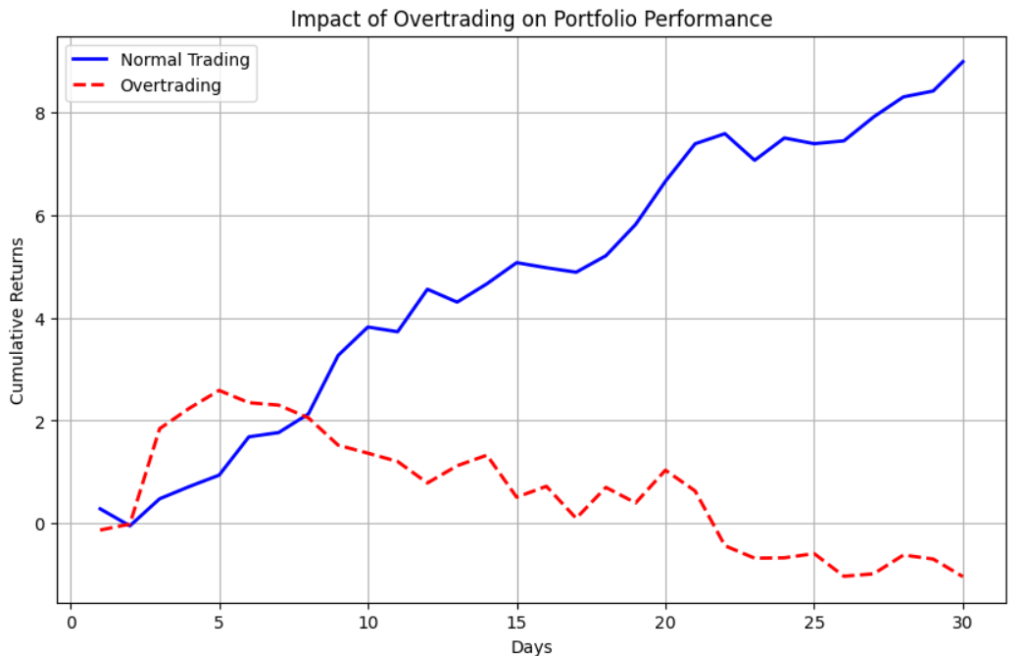
Fear and greed are two of the biggest reasons traders struggle in financial markets. Emotional reactions often lead to overtrading, revenge trading, increasing position sizes impulsively, or ignoring stop losses completely.
Professional traders build routines and systems specifically designed to reduce emotional decision-making. They understand that discipline and consistency matter far more than excitement.
Interestingly, many professionals intentionally keep their risk small because large risk often creates emotional instability and poor decisions.
Managing Risk During Volatile Markets
Volatile markets can create large opportunities, but they also increase danger significantly.
During major news events or sudden market movements, spreads may widen, slippage can increase, and price action may become extremely aggressive.
Because of this, professional traders often reduce position size during highly volatile conditions instead of increasing risk recklessly.
Their priority is always survival first and profits second.
Why Consistency Matters More Than Big Wins
Social media often promotes unrealistic trading lifestyles focused on huge profits and extreme leverage. In reality, professional trading is usually much more disciplined and controlled.
Most long-term traders focus on steady growth, capital preservation, emotional control, and consistency over time.
A trader making smaller consistent gains is often in a much stronger position than someone chasing massive profits through reckless risk-taking.
This is one reason why professional trading often looks “boring” compared to the flashy image commonly shown online.
Building a Risk Management Plan
Every serious trader should have clear rules before entering the market.
A proper risk management plan usually includes position sizing rules, stop loss placement, maximum risk per trade, and emotional discipline guidelines.
Many traders also use platforms like TradingView to analyze charts and prepare trades more carefully before entering positions.
Having a structured plan helps traders stay objective during stressful market conditions and reduces impulsive decisions.
Final Thoughts
Professional traders understand that consistent profitability starts with effective risk management. Market analysis and trading strategies are important, but without protecting capital and controlling losses, long-term success becomes extremely difficult regardless of how good a strategy may be.
The goal of trading is not to win every trade. The goal is to manage losses intelligently while allowing profitable trades to grow over time.
In the end, successful trading is usually less about excitement and more about discipline, patience, and protecting capital consistently.
Pingback: How Trading Orders Work: Market, Limit and Stop Orders