
Understanding Scalping
Scalping is one of the fastest trading styles used in financial markets. Instead of holding trades for hours or days, scalpers aim to profit from very small price movements over short periods of time.
Some trades may only last a few seconds, while others stay open for a couple of minutes. The idea behind scalping is simple: collect many small profits throughout the day instead of waiting for one large move.
Because of its fast-paced nature, scalping requires strong focus, quick decision-making, and good discipline. While it can look exciting from the outside, it is also considered one of the most demanding trading styles.
How Scalping Works
Scalping works by taking advantage of small fluctuations in the market. Traders look for short-term opportunities, enter positions quickly, and close them as soon as a small profit appears.
Instead of targeting huge price moves, scalpers usually aim for very small gains on each trade. In forex, this may mean capturing only a few pips, while in crypto or stocks it could be a very small percentage move.
Even though individual profits are small, scalpers often place many trades during a session, and those gains can add up over time if managed properly.
Markets Popular for Scalping
Scalping can be used in different financial markets, although some are more suitable than others.
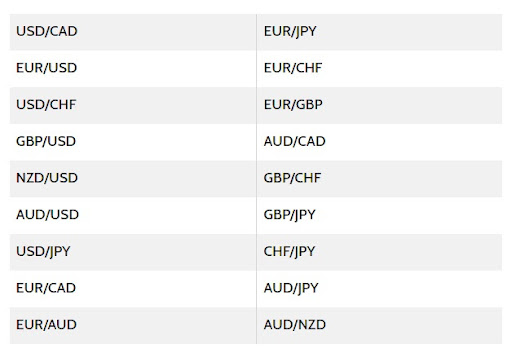
Forex is one of the most popular markets for scalping because of its high liquidity and low spreads. Currency pairs such as EUR/USD or GBP/USD are frequently traded by scalpers due to their constant activity.
Cryptocurrency markets also attract many scalpers because assets like Bitcoin and Ethereum can move very quickly. However, crypto volatility can also make the market more unpredictable and risky.
Some traders also scalp stocks, especially highly active companies with strong trading volume and momentum during market hours.
Time Frames and Indicators
Scalpers usually focus on very small chart time frames, such as 1-minute or 5-minute charts. These charts allow traders to react quickly to short-term price movements.
Many scalpers rely heavily on technical analysis and indicators to help identify opportunities. Common tools include moving averages, RSI, MACD, Bollinger Bands, and support and resistance levels.
For example, RSI is often used to measure momentum and identify possible overbought or oversold conditions.
RSI=100−1+RS100
Although indicators can be helpful, experienced scalpers usually avoid overloading charts with too many tools at once. Simplicity is often more effective in fast-moving markets.
Advantages of Scalping
One reason many traders are attracted to scalping is the number of opportunities it can provide during a single day. Since scalpers focus on small price movements, setups may appear frequently in active markets.
Another advantage is that trades are usually closed quickly, which reduces overnight risk and avoids exposure to unexpected news events while markets are closed.
Scalping also provides fast feedback. Traders quickly discover whether their strategy is working or not because results appear almost immediately.
The Challenges of Scalping
Despite its advantages, scalping can also be extremely stressful. Traders must stay focused for long periods and react quickly to constantly changing conditions.
Another challenge is transaction costs. Since scalpers place many trades, spreads and commissions can become significant over time and reduce profitability.
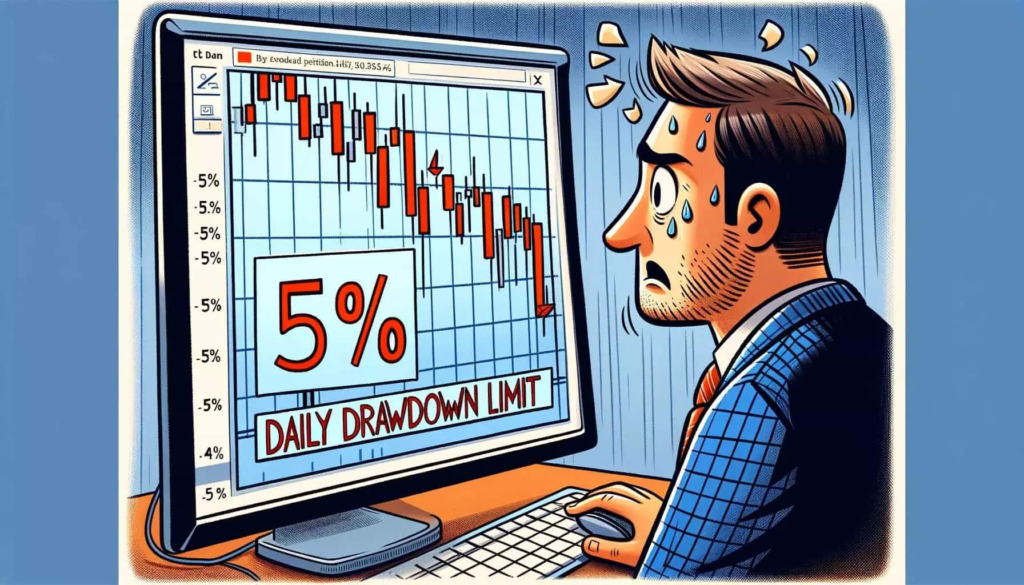
Emotional pressure is also much higher in scalping compared to slower trading styles. Fast losses can lead to revenge trading or impulsive decisions if discipline is lacking.
Is Scalping Good for Beginners?
Scalping is not always the best choice for beginners. Many new traders struggle with emotional control, overtrading, and making decisions under pressure.
For this reason, some beginners prefer swing trading because it allows more time for analysis and usually feels less stressful.
However, beginners who are interested in scalping can still learn the basics safely through demo accounts before risking real money. Practicing first is extremely important because scalping requires both technical skill and strong mental discipline.
Final Thoughts
Scalping is a fast and aggressive trading style focused on capturing small market movements within very short periods of time. It can offer many trading opportunities, but it also demands concentration, patience, and excellent risk management.
While some traders enjoy the speed and intensity of scalping, beginners should understand that it is not an easy shortcut to fast money. Success in scalping usually comes from experience, consistency, and disciplined execution over time.
The best approach for beginners is to practice carefully, manage risk properly, and focus on learning the market before trying to trade aggressively with real money.